Introduction
Dub grass, botanically known as Cynodon dactylon, is one of the most widely distributed perennial grasses in tropical and subtropical regions of the world. Commonly referred to as doob grass, Bermuda grass, or couch grass, it belongs to the family Poaceae. Known for its remarkable adaptability, rapid growth, and resilience under stress conditions, dub grass plays a vital role in agriculture, ecology, soil conservation, and traditional practices. Its multipurpose nature makes it an indispensable component of sustainable land-use systems.
Botanical Description
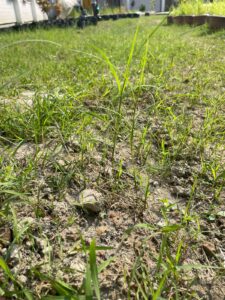
Cyondon dactylon is a creeping perennial grass characterized by both stolons (above-ground runners) and rhizomes (underground stems), enabling it to spread quickly and form a dense turf. Leaves are narrow, linear, and pointed, while the inflorescence consists of 3–7 slender, finger-like spikes arranged in a whorl. The extensive root system provides strong anchorage and contributes to its excellent regenerative capacity even after grazing or cutting.
Agricultural Importance
1. Fodder and Pasture Grass
Dub grass is an important fodder grass for cattle, sheep, and goats due to its good palatability and digestibility. It is widely used in:
- Grazing lands
- Pasture development
- Hay and silage preparation
Its ability to regenerate rapidly after cutting makes it ideal for continuous grazing systems.
2. Lawn and Turf Grass
Because of its dense growth habit and tolerance to trampling, Cynodon dactylon is extensively used for:
- Lawns and gardens
- Sports fields
- Parks and institutional landscapes
It maintains greenery even under frequent mowing and high temperatures.
Ecological and Environmental Importance
1. Soil Conservation
One of the most significant roles of dub grass is in soil erosion control. Its network of stolons and rhizomes binds soil particles effectively, preventing erosion on:
- Field bunds
- Canal banks
- Roadside slopes
- Degraded and wastelands
2. Land Restoration
Dub grass acts as a pioneer species in disturbed and degraded ecosystems. It improves soil structure, increases organic matter, and enhances microbial activity, thereby facilitating the establishment of other plant species.
Physiological Advantages
Dub grass follows the C₄ photosynthetic pathway, which provides several physiological benefits:
- High photosynthetic efficiency
- Better water-use efficiency
- Superior tolerance to high temperature and drought
These traits allow the grass to thrive under hot, dry, and nutrient-poor conditions, making it highly suitable for climate-resilient agriculture.
Medicinal and Traditional Uses
In traditional Indian medicine and folklore, dub grass holds immense value. Various parts of the plant are used for:
- Wound healing and blood clotting
- Anti-inflammatory and cooling preparations
- Management of diabetes and urinary disorders
Additionally, dub grass has deep religious and cultural significance in India and is widely used in rituals, particularly in worship and ceremonial offerings.
Economic Importance
Due to its low input requirement and multiple uses, dub grass contributes indirectly to rural livelihoods by:
- Supporting livestock-based farming
- Reducing soil erosion losses
- Minimizing land degradation costs
Its role in sustainable agriculture makes it a cost-effective and environmentally friendly resource.
Conclusion
Dub grass (Cynodon dactylon) is a resilient, multifunctional grass species with immense agricultural, ecological, medicinal, and cultural importance. Its ability to withstand harsh environmental conditions, improve soil health, and provide quality fodder highlights its value in sustainable farming and land management systems. Promoting the use and conservation of dub grass can significantly contribute to soil conservation, climate resilience, and ecological stability, especially in tropical and subtropical regions.