

Euphorbia pulcherrima Willd. ex Klotzsch, universally known as Poinsettia, is one of the most recognizable ornamental plants in the world. Famous for its brilliant red, pink, white, or variegated bracts, poinsettia has become a global symbol of winter festivities and Christmas décor. Belonging to the family Euphorbiaceae, this plant is not just visually striking but also biologically fascinating.
Native to Mexico and Central America, poinsettia combines ornamental value, unique physiology, and cultural significance, making it a favorite among gardeners, florists, and plant scientists alike.

Taxonomic Profile
-
Scientific name: Euphorbia pulcherrima Willd. ex Klotzsch
-
Common name: Poinsettia
-
Genus: Euphorbia
-
Family: Euphorbiaceae
-
IUCN status: Least Concern (LC)
Botanical Characteristics
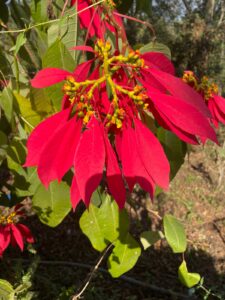
Poinsettia is a perennial shrub in its natural habitat, though it is often grown as a seasonal potted plant. The plant bears ovate, dark green leaves with prominent veins. What many people mistake for flowers are actually colored bracts—modified leaves that surround the true flowers.
The true flowers, called cyathia, are small, yellow, and inconspicuous, located at the center of the bract clusters. The vivid bracts serve an important ecological role by attracting pollinators, compensating for the modest appearance of the flowers themselves.
The Physiology Behind Its Color Change
One of the most intriguing aspects of Euphorbia pulcherrima is its photoperiodic response. Poinsettia is a short-day plant, meaning it requires long, uninterrupted nights (about 12–14 hours of darkness) to initiate bract coloration.
Physiologically, this process involves:
-
Altered phytochrome signaling
-
Enhanced synthesis of anthocyanin pigments
-
Redistribution of photosynthates toward reproductive structures
This photoperiod sensitivity is the reason poinsettias naturally turn red during winter months and why controlled lighting is essential in commercial production.
Cultivation and Care Requirements
Despite its festive reputation, poinsettia can be grown year-round with proper care.
Ideal Growing Conditions
-
Climate: Warm tropical to subtropical
-
Light: Bright, indirect light
-
Temperature: 18–25 °C (sensitive to cold drafts)
-
Soil: Well-drained, fertile potting mix
-
Water: Moderate; avoid waterlogging
Propagation is commonly done through stem cuttings, and pruning after flowering encourages bushy growth and future bract development.
⚠️ Note: Like many members of Euphorbiaceae, poinsettia produces a milky latex sap, which may cause skin irritation in sensitive individuals.
Ecological and Indoor Benefits
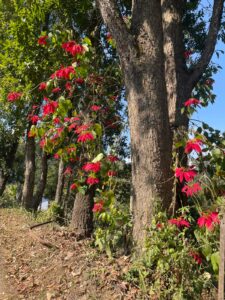
Beyond aesthetics, poinsettia contributes to indoor environmental quality by improving humidity and adding psychological warmth during winter months. In landscapes of its native range, it supports local pollinators and forms part of semi-natural hedges.
Contrary to popular belief, poinsettia is not highly toxic, though ingestion may cause mild discomfort in pets or humans.
Cultural and Economic Importance
Poinsettia holds immense cultural value, particularly during Christmas celebrations worldwide. It is among the top-selling potted plants globally, supporting a major floriculture industry. In Mexico, the plant has historical significance and was traditionally used for dyes and folk remedies.
Why Poinsettia Still Matters Today
In modern horticulture, Euphorbia pulcherrima represents the perfect blend of plant physiology, ornamental breeding, and market-driven innovation. New cultivars now offer extended color retention, compact growth, and novel bract shades, increasing their appeal beyond the holiday season.
For gardeners, researchers, and plant lovers, poinsettia is more than a festive plant—it is a living demonstration of how light, physiology, and genetics interact to create beauty.


