

Introduction
Magnolia is one of the most captivating and evolutionarily significant flowering plants on Earth. Known for its large, fragrant blooms and timeless beauty, magnolia represents a primitive lineage of angiosperms that dates back over 95 million years. Widely cultivated as an ornamental plant and valued for its ecological and medicinal properties, magnolia continues to attract attention from botanists, horticulturists, and plant physiologists alike.
Taxonomy and Classification
- Kingdom: Plantae
- Clade: Angiosperms
- Order: Magnoliales
- Family: Magnoliaceae
- Genus: Magnolia
The family Magnoliaceae comprises over 200 species, including both evergreen and deciduous trees and shrubs. Prominent species include Magnolia grandiflora, Magnolia liliflora, and Magnolia stellata.
Evolutionary Significance
Magnolia is often referred to as a “living fossil” due to its primitive floral characteristics.
Key evolutionary features:
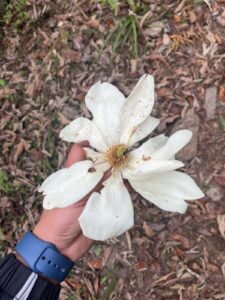
- Tepals instead of distinct petals and sepals
- Spiral arrangement of reproductive organs
- Adaptation to beetle pollination (cantharophily)
Unlike modern flowers that evolved with bees, magnolias developed earlier, offering valuable insights into early angiosperm evolution.
Morphological Characteristics
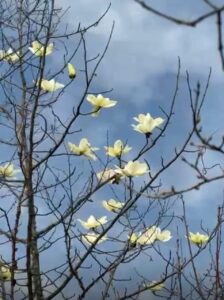
Flowers
- Large, showy, and highly fragrant
- Colors: white, pink, purple, yellow
- Thick, waxy tepals for protection against beetle damage

Leaves
- Simple, alternate, and leathery
- Evergreen or deciduous depending on species
Growth Habit
- Medium to large trees or shrubs
- Symmetrical canopy with ornamental appeal
Distribution and Habitat
Magnolias are native to:
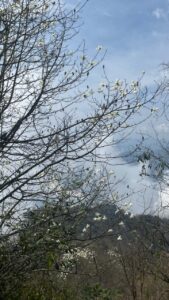
- East and Southeast Asia (China, Japan, Korea)
- North and Central America
They thrive in:
- Temperate to subtropical climates
- Well-drained, slightly acidic soils

Magnolia species are rich in bioactive compounds such as:
- Magnolol
- Honokiol
- Alkaloids and flavonoids
Pharmacological properties:
- Anti-inflammatory
- Antioxidant
- Antimicrobial
- Anxiolytic effects
These compounds are widely studied in plant biochemistry and pharmacognosy.
Ecological Importance
- Supports pollinators like beetles and insects
- Contributes to urban biodiversity
- Acts as a carbon sink in landscapes

Horticultural and Economic Value
Magnolia is widely used in:
- Landscaping and ornamental gardening
- Avenue plantations
- Botanical gardens
Its aesthetic appeal makes it a premium ornamental species worldwide.
Research Opportunities (Advanced Insight)
For plant scientists and physiologists, magnolia offers exciting research avenues:
- Evolution of floral structures in basal angiosperms
- Secondary metabolite biosynthesis pathways
- Stress physiology in perennial woody plants
- Pollination biology and plant-insect interactions
Cultivation and Care
Key requirements:
- Light: Full sun to partial shade
- Soil: Slightly acidic, well-drained
- Water: Moderate, avoid waterlogging
- Propagation: Seeds, cuttings, or grafting
Conclusion
Magnolia stands as a symbol of evolutionary resilience, structural elegance, and ecological relevance. From its ancient origins to modern horticultural prominence, it bridges the gap between primitive plant forms and contemporary botanical science. Whether admired for its beauty or studied for its biology, magnolia remains a cornerstone species in plant science.


