

Citrus × microcarpa Bunge, commonly known as Calamondin, is a small citrus tree prized for its dual role as an ornamental plant and a functional fruit crop. Belonging to the family Rutaceae, calamondin is widely cultivated across tropical and subtropical regions, particularly in Southeast Asia, where it holds culinary, cultural, and economic significance. Its compact size, glossy foliage, fragrant flowers, and abundant miniature fruits make it one of the most popular citrus plants for home gardens and container cultivation.
Origin and Taxonomic Position
Calamondin is a hybrid citrus, believed to be a natural cross between mandarin (Citrus reticulata) and kumquat (Fortunella spp.). This hybrid origin explains its unique combination of small fruit size, intense acidity, and high ornamental appeal.
As a member of Rutaceae, calamondin shares lineage with economically important citrus crops such as orange, lemon, and lime, all known for their aromatic oils and bioactive compounds.

Botanical Description
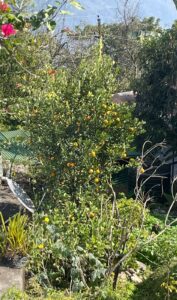
Citrus × microcarpa is a small evergreen tree or shrub, typically growing 2–4 meters tall. It has a dense, rounded canopy with dark green, glossy leaves rich in essential oil glands, giving the plant its characteristic citrus aroma.
The flowers are small, white, and highly fragrant, appearing singly or in clusters. Flowering can occur several times a year under favorable conditions, making calamondin a near-continuous source of blossoms.
The fruits are:
-
Round, small (3–4 cm diameter)
-
Bright orange to reddish-orange when ripe
-
Thin-skinned and aromatic
-
Extremely acidic, though edible
Because flowers and fruits often appear simultaneously, the plant is visually attractive throughout the year.
Physiology and Growth Behavior
From a physiological standpoint, calamondin exhibits efficient photosynthesis and strong sink–source relationships, allowing it to support simultaneous vegetative growth, flowering, and fruiting. The plant shows good adaptability to container growth, partly due to its moderate root system and tolerance to pruning.
The acidic nature of the fruit is linked to high concentrations of organic acids, particularly citric acid, while the peel contains abundant essential oils and flavonoids. These compounds contribute to the fruit’s antimicrobial properties and long shelf life.
Cultivation and Care Requirements
Calamondin is considered one of the easiest citrus plants to grow, suitable for beginners as well as experienced gardeners.
Ideal Growing Conditions
-
Climate: Tropical to subtropical; sensitive to frost
-
Light: Full sun (6–8 hours daily)
-
Soil: Well-drained, slightly acidic soil rich in organic matter
-
Water: Regular watering; avoid waterlogging
-
Propagation: Seeds, grafting, and budding (grafted plants bear earlier)
Balanced fertilization with micronutrients such as iron, zinc, and magnesium is essential for healthy foliage and fruit development. Regular pruning helps maintain shape and improves air circulation.
Culinary, Medicinal, and Household Uses
Although calamondin fruits are too sour to be eaten raw, they are widely used in:
-
Beverages and refreshing drinks
-
Marmalades, sauces, and preserves
-
Marinades and traditional recipes
In traditional medicine, calamondin juice has been used for cough relief, digestion, and skin care, while the peel is valued for its aromatic oils. The plant is also used indoors for its air-freshening citrus fragrance.
Ornamental and Urban Gardening Value
Calamondin is a favorite in urban horticulture, particularly for:
-
Balcony and terrace gardens
-
Indoor plants near bright windows
-
Bonsai and patio containers
Its ability to flower and fruit in pots makes it ideal for limited spaces, while its evergreen nature ensures year-round greenery.
Why Calamondin Is a Modern Garden Essential
In the context of sustainable and lifestyle-oriented gardening, Citrus × microcarpa represents a perfect balance between aesthetic appeal, functional harvest, and manageable growth. Its resilience, productivity, and sensory richness make it especially valuable for home gardens, educational campuses, and urban green spaces.
Whether grown for its glossy foliage, fragrant blossoms, decorative fruits, or culinary uses, calamondin stands out as a citrus plant that truly offers beauty with purpose.


