Indian mythology is a treasure house of stories where plants play a sacred, symbolic, and healing role. From ancient scriptures to temple rituals, certain plants are regarded as divine and are deeply woven into our culture. Interestingly, modern science has also validated the extraordinary medicinal and ecological value of many such plants.
In this blog, we explore five sacred plants mentioned in Indian mythology and understand their proven scientific benefits. This blend of mythology and science not only enriches our knowledge but also reconnects us with nature.
1. Tulsi (Holy Basil)
Mythological Significance:
Tulsi is regarded as the earthly incarnation of Goddess Lakshmi and is worshipped in almost every Hindu household. The festival Tulsi Vivah marks the symbolic marriage between Tulsi and Lord Vishnu, signifying purity, devotion, and prosperity.
Scientific Benefits:
Modern research identifies Tulsi as a powerful adaptogenic herb. Its leaves contain essential oils rich in eugenol, which helps in reducing inflammation and supporting cardiovascular health. Tulsi’s strong antibacterial, antiviral, and antifungal properties make it effective in preventing seasonal infections. It is widely used in Ayurveda to treat cough, cold, asthma, and stress-related disorders. Regular consumption boosts immunity and improves overall well-being.
Tulsi is therefore not only spiritually sacred but also one of the most potent natural medicines available to humankind.

2. Peepal Tree (Ficus religiosa)
Mythological Significance:
The Peepal tree holds immense divine value as it is considered the abode of Brahma, Vishnu, and Mahesh. According to Buddhist tradition, Gautama Buddha attained enlightenment under a Peepal tree, making it a universal symbol of wisdom and awakening.
Scientific Benefits:
This tree is known for releasing oxygen during the early hours of dawn, and its enormous canopy helps purify the air by absorbing toxins. Peepal leaves, bark, and roots are used in Ayurveda to treat asthma, diabetes, constipation, skin diseases, and infections. The tree’s natural compounds exhibit strong anti-inflammatory and antioxidant properties.
In modern environmental science, Peepal is considered a natural air purifier, making it a vital tree for urban areas.

3. Parijat (Night-flowering Jasmine)
Mythological Significance:
Parijat, also called Harsingar, is believed to have emerged from the Samudra Manthan, making it a divine celestial flower. Mythological stories describe Parijat as the only flower that blooms at night and falls by morning, symbolizing devotion and humility.
Scientific Benefits:
The flowers and leaves of Parijat are packed with antioxidants and bioactive compounds. Ayurveda uses Parijat leaves to reduce high fever, joint pain, cough, and arthritis symptoms. Its anti-inflammatory and anti-parasitic properties also make it effective for managing skin problems and boosting immunity. The plant’s fragrance has calming effects, promoting relaxation and better sleep.

4. Durva Grass (Bermuda Grass)
Mythological Significance:
Durva grass holds special significance in the worship of Lord Ganesha. Offering 21 blades of Durva is believed to remove obstacles and bring good fortune. According to ancient texts, Durva symbolizes purity, longevity, and devotion.
Scientific Benefits:
Durva is rich in calcium, phosphorus, fiber, and essential micronutrients. It is known for its natural blood-clotting properties, making it effective in stopping bleeding from minor cuts. The grass also supports digestion, reduces acidity, and detoxifies the body. In Ayurveda, Durva juice is used to treat urinary infections, acidity, and inflammation.
Its healing, cooling, and nourishing properties make Durva a valuable medicinal plant.

5. Lotus (Kamal)
Mythological Significance:
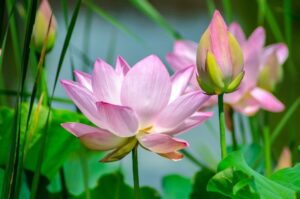
The Lotus is one of the most sacred symbols in Indian culture. It is the divine seat of Goddess Lakshmi (symbol of prosperity) and Goddess Saraswati (symbol of knowledge). Despite growing in muddy waters, the Lotus remains untouched by impurities, symbolizing purity and spiritual growth.
Scientific Benefits:
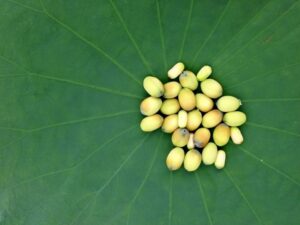
Every part of the Lotus—seeds, roots, leaves, and petals—has medicinal value. Lotus seeds (makhana) are rich in protein, fiber, and antioxidants. They help in managing blood sugar levels and improving heart health.
Lotus root (kamal kakdi) supports digestion and blood purification. The plant contains natural compounds that promote glowing skin and reduce inflammation. It is widely used in herbal skincare.

Conclusion
These five plants—Tulsi, Peepal, Parijat, Durva, and Lotus—show how beautifully ancient Indian mythology aligns with modern science. Each plant carries deep symbolic meaning but also offers remarkable health and environmental benefits.
By understanding their significance, we not only preserve our cultural heritage but also rediscover powerful natural remedies that can enrich our daily lives.